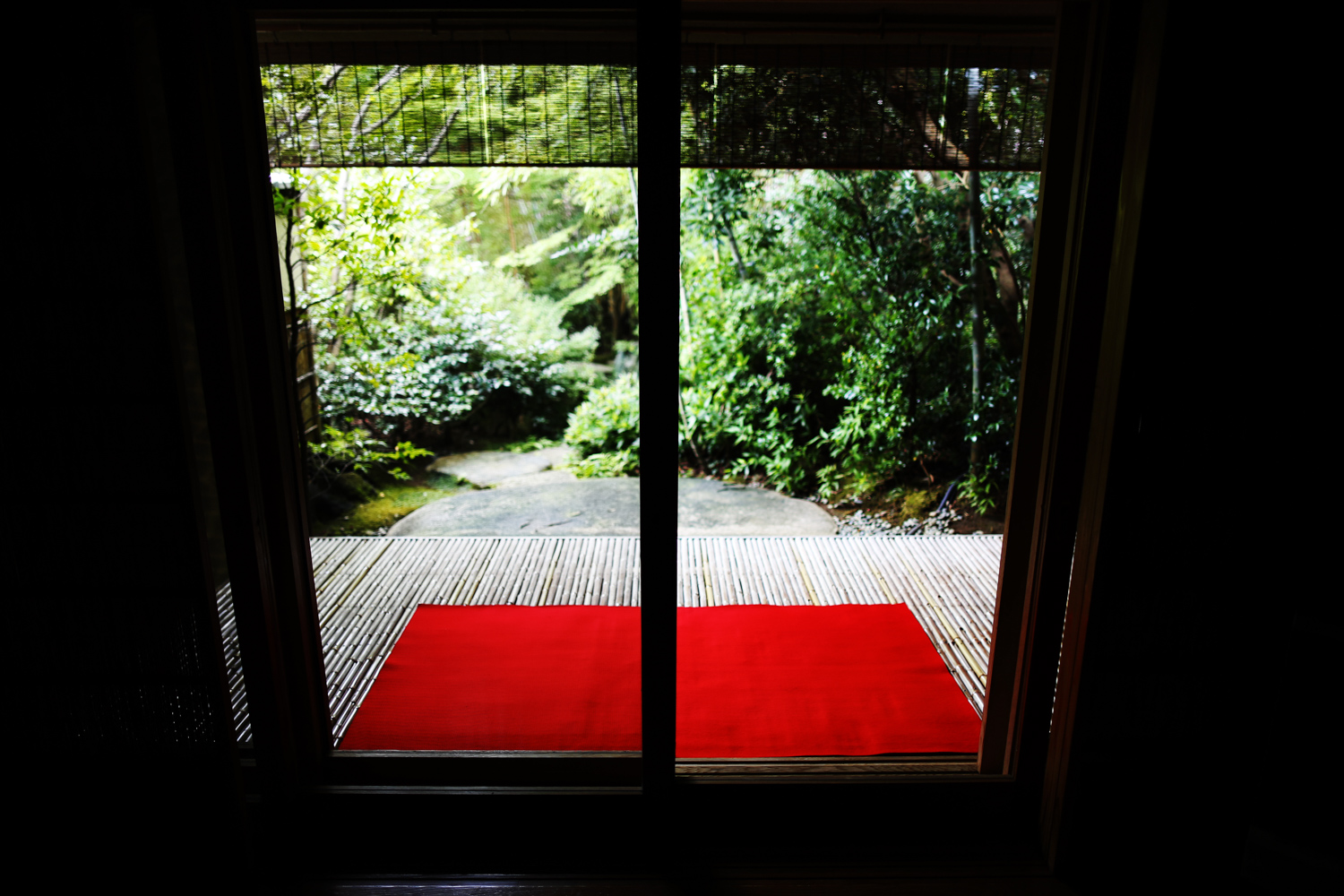
What I learned from the "comprehensive" concept of a ryokan (Japanese inn)
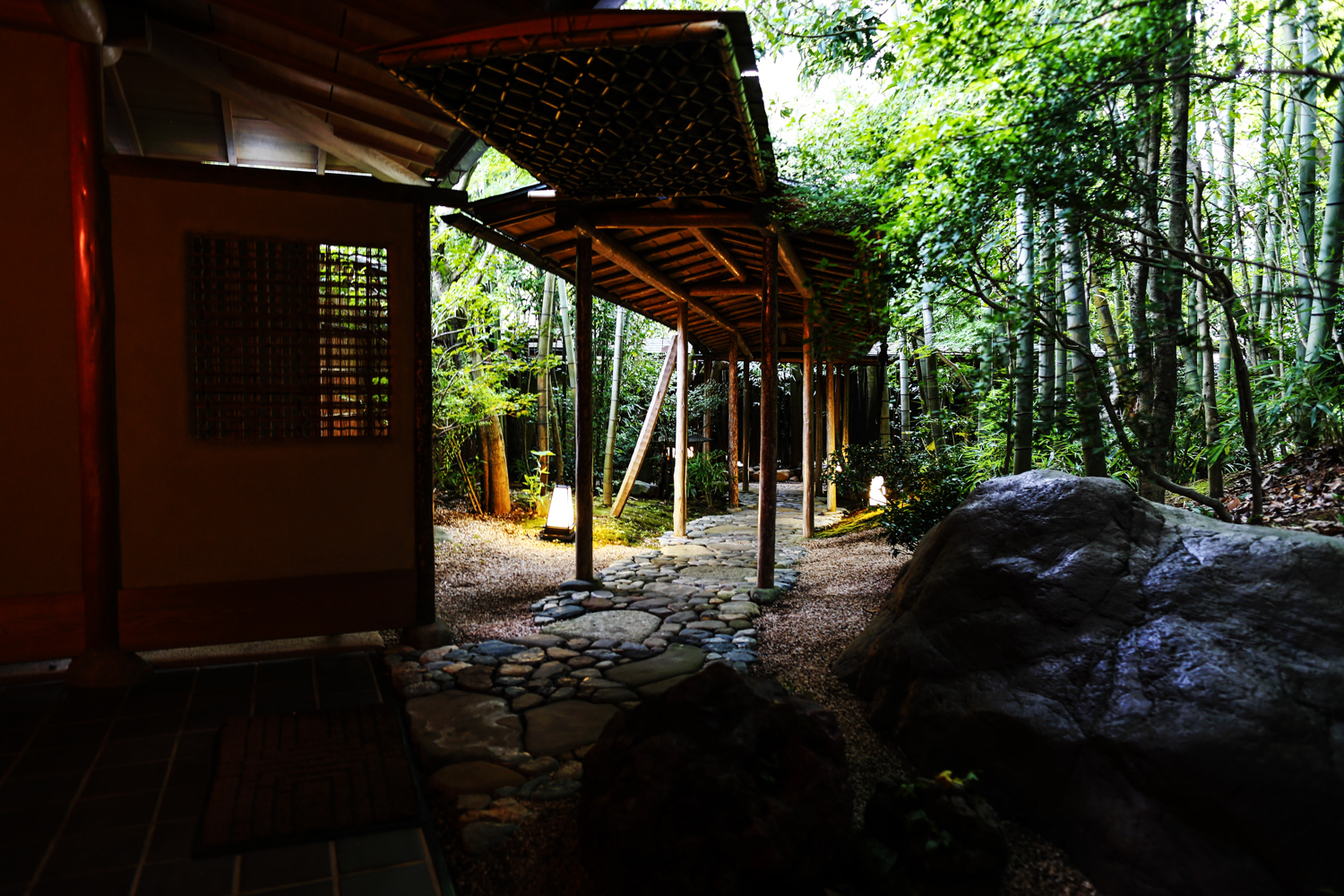
About 20 years ago, I was intensely drawn to luxury hot spring inns for a while. You could say it was presumptuous of me, and that might be true. At the time, my daily life was simply consumed with work. It was more than just busy; my daily life itself felt abnormal. In the midst of all that, I went to a hot spring inn in Hakone for just one night. The moment I stood at the entrance of the inn and stepped through the noren (curtain), everything that had occupied my mind up until then suddenly changed.
The air feels different.
The smell is different.
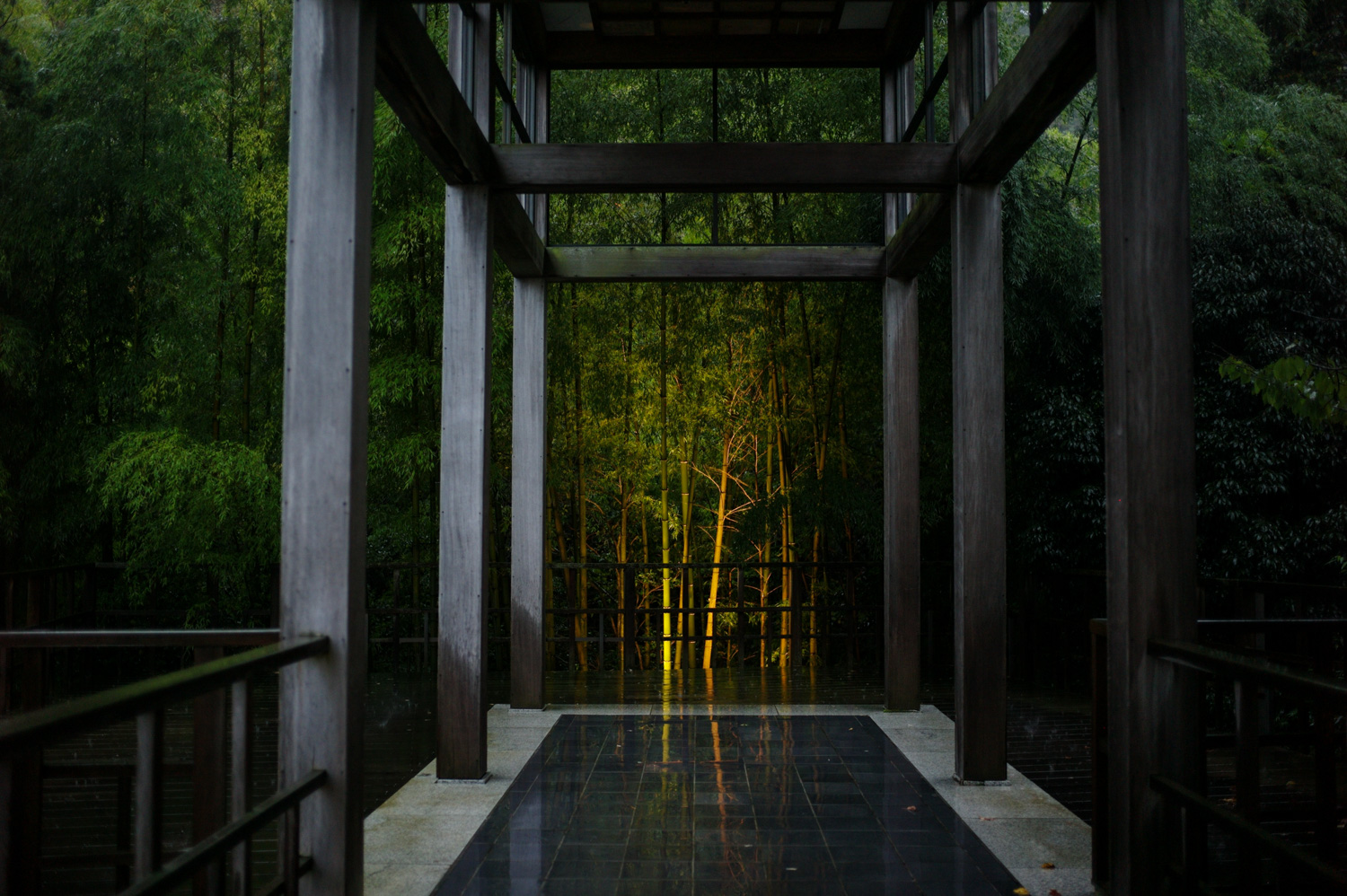
The light is different.
The very flow of time is different.
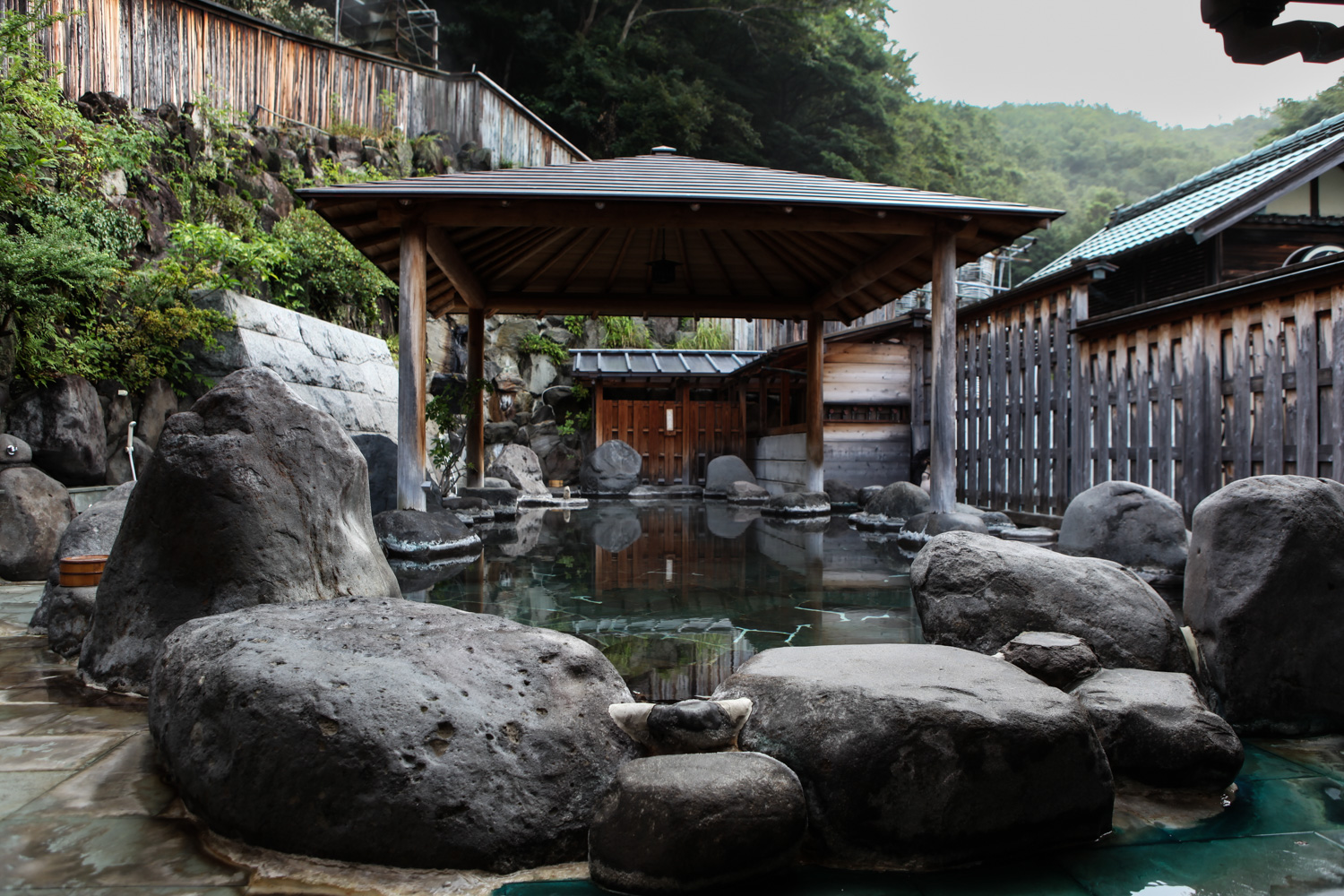
Just that simple act was enough to bring something back into my weary self. For me, a hot spring inn wasn't just a place to rest my body; it was a place to disconnect from everyday life and reset myself.
How is it possible to maintain such high quality?
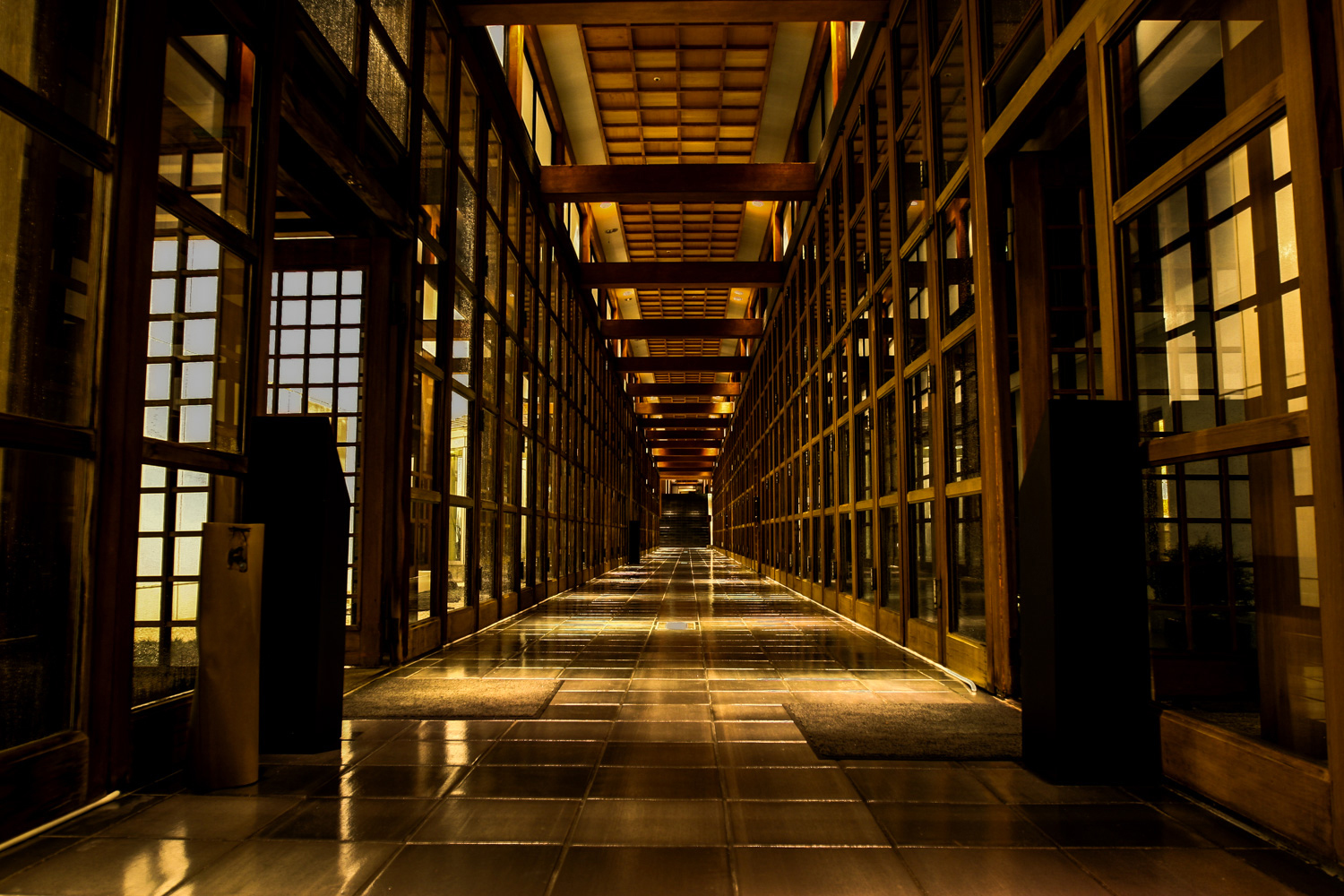
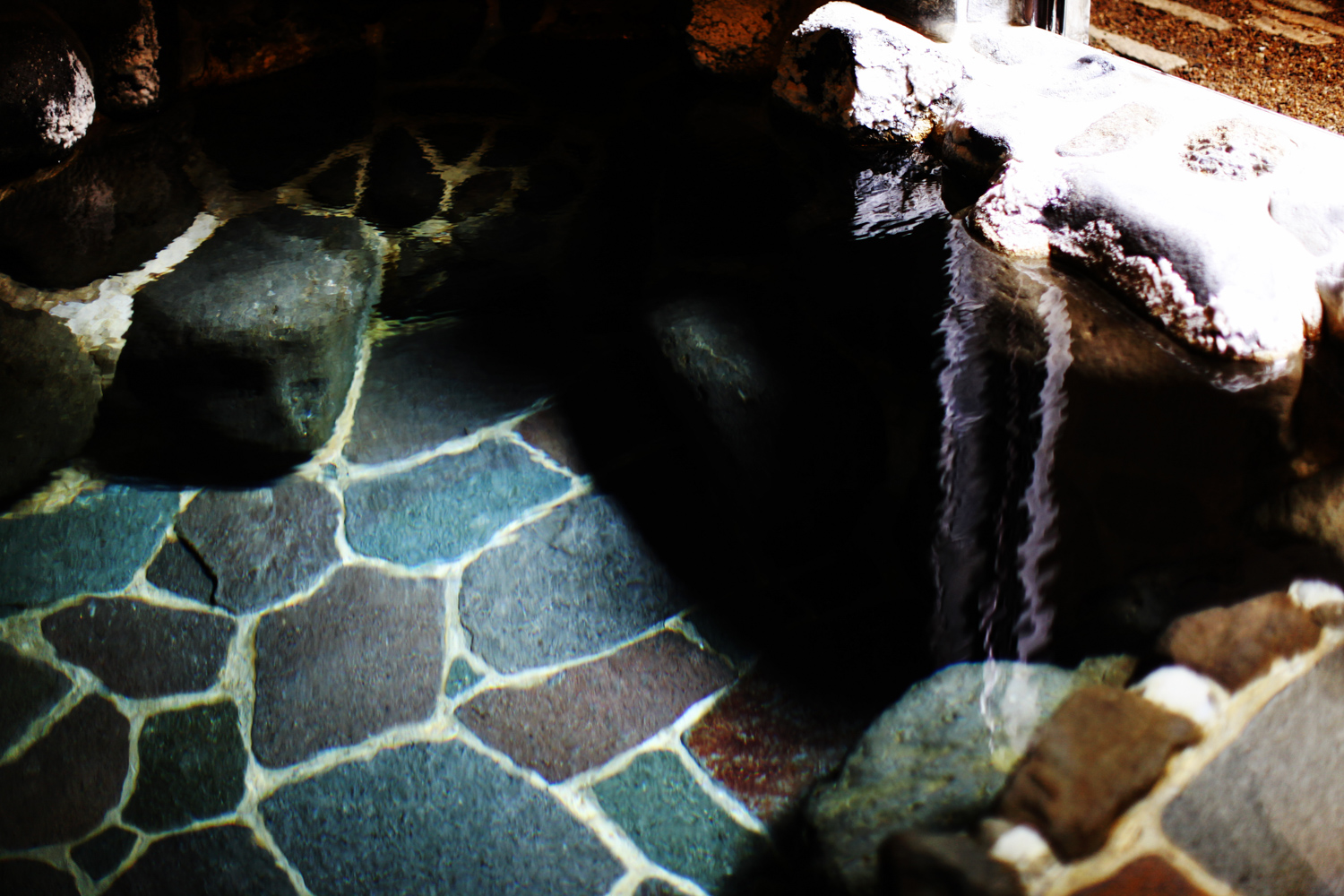
However, that's not the only reason I started frequenting luxury hot spring inns. What surprised me most on my first visit was the impeccable quality of their service. The entrance, lobby, front desk, corridors, elevators, guest rooms, and baths—everywhere you look, there's nothing to be ashamed of. The cleaning is thorough, and there's nothing superfluous in the space. The amenities are more than sufficient, and both dinner and breakfast are surprisingly high-quality.
And above all, it was the work of the people who worked there. Regardless of gender, every staff member was incredibly attentive. They must have been dealing with a large number of guests from early morning until late at night, yet their service was almost uninterrupted. At first, I was simply impressed. However, after visiting the same inn two or three times, my bad habits as a business owner started to surface.
"Surely there's some flaw this time."
That's how I started to look at it. Such a large facility, with so many staff working there. Since it's run by humans, it's only natural that there would be some flaws somewhere.
But it's not there.
On the contrary, I even feel that the level of service has improved since my last visit. "What kind of system is this?" I couldn't help but wonder, having run my own company, even if it was a small one.
It's understandable that one highly skilled individual can do a great job. However, maintaining a consistent level of quality in every corner of a building, and continuing that quality day after day, while involving many people, is a completely different matter.
The entire space becomes one world.
cleaning.
Customer service.
cooking.
bath.
Guest room.
illumination.
Equipment.
garden.
Furthermore, the scents, sounds, air, light, and time that permeate that place—from the stillness of night to the beginning of morning—all of it constitutes a single world. I think I wanted to understand that "mystery." That's why, even when I went to the inn, I didn't completely rest. Rather, I was looking around here and there.
What is the intention behind placing this here?
Why is it so bright here?
Why does this place smell like this?
Why would this person approach me at this particular moment?
That's all I was thinking about.
Where does the "completion" of a dish lie?
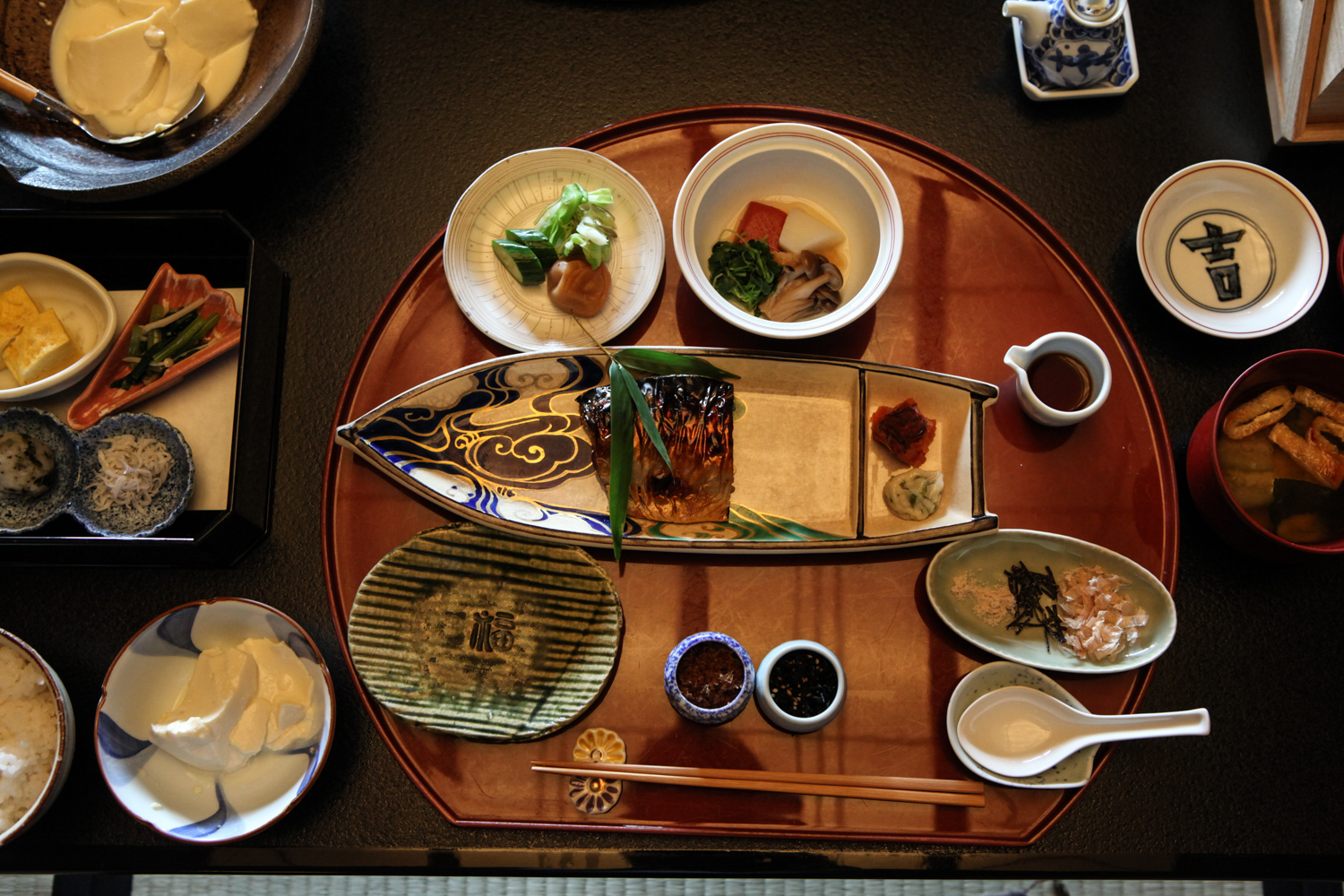
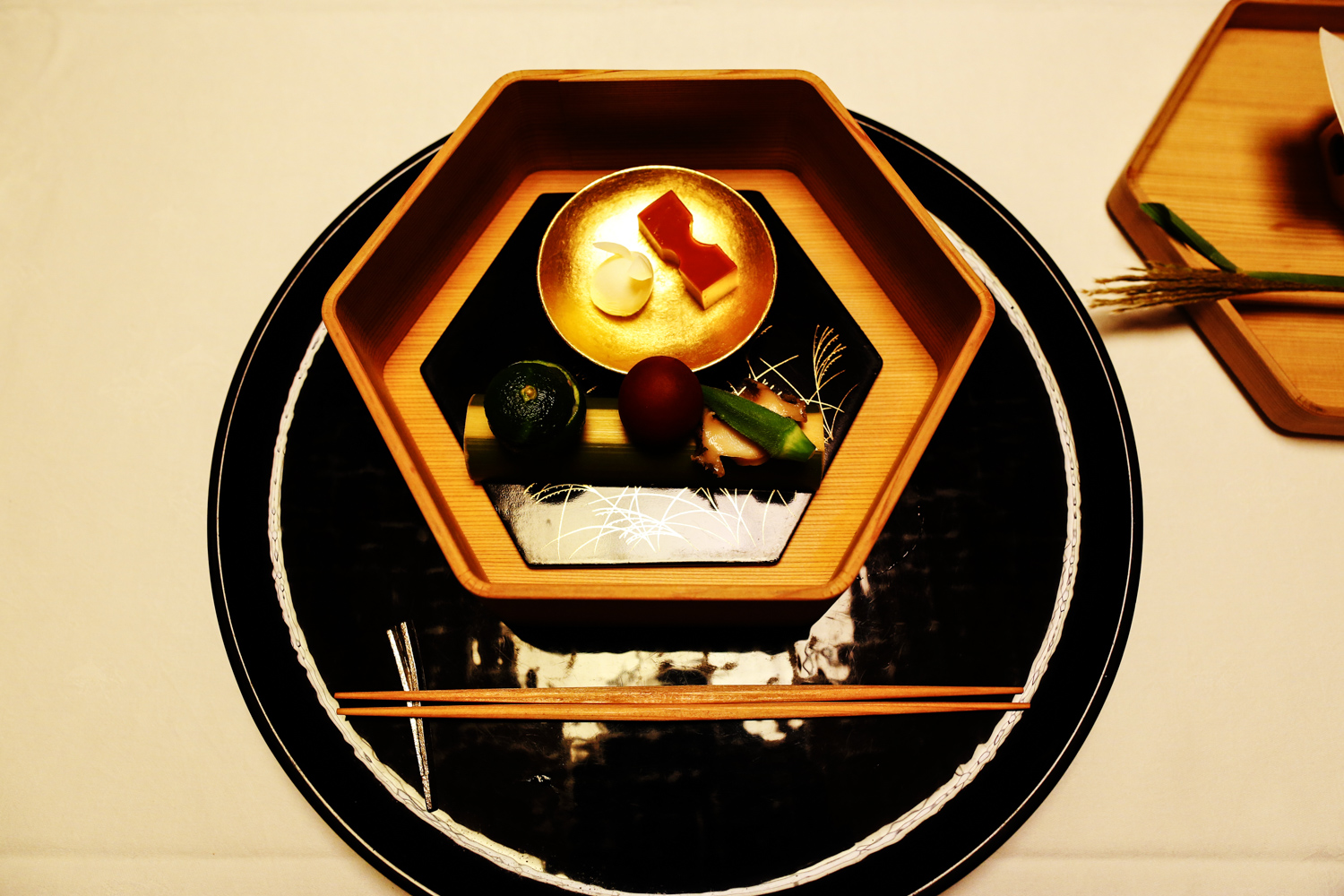
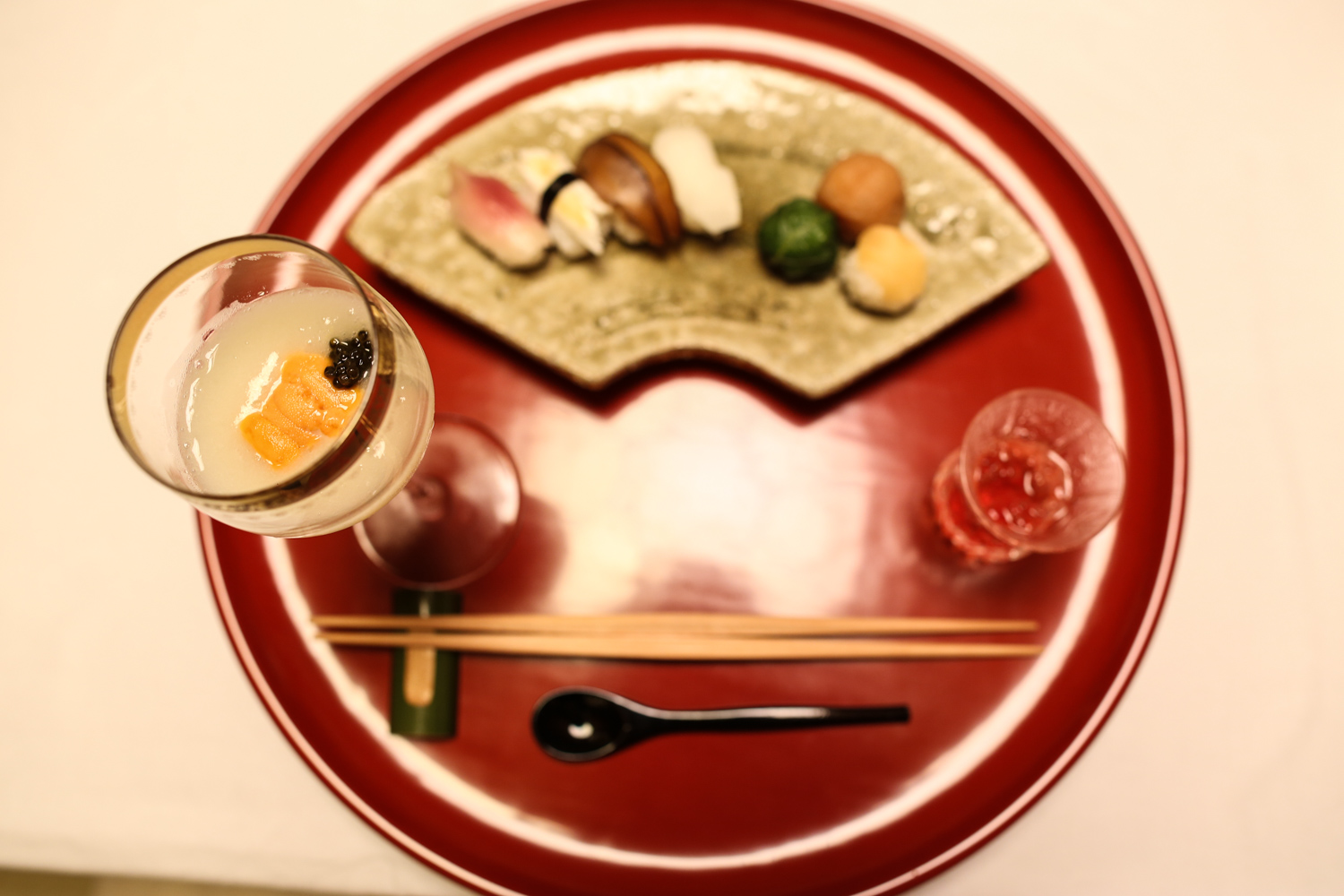
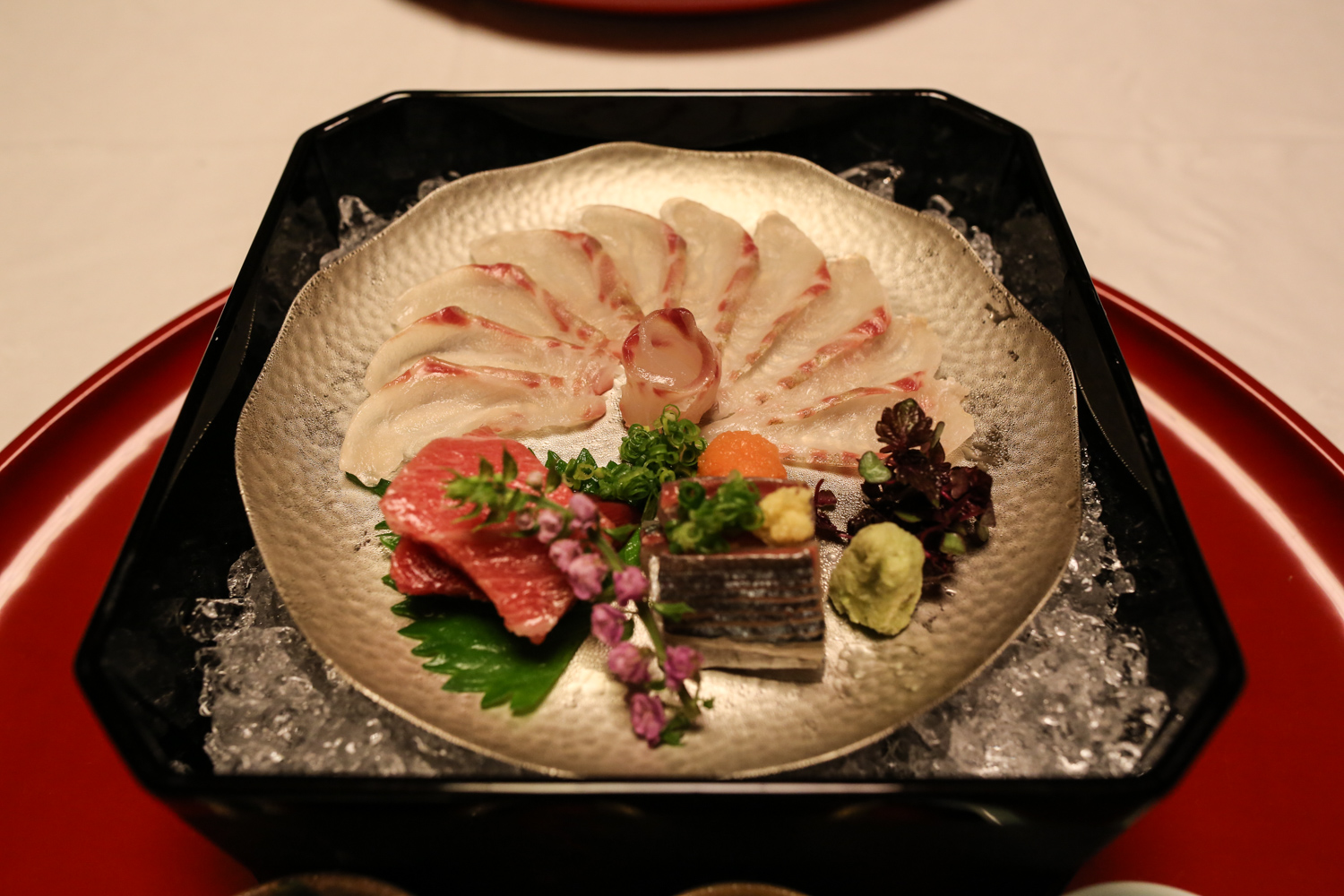
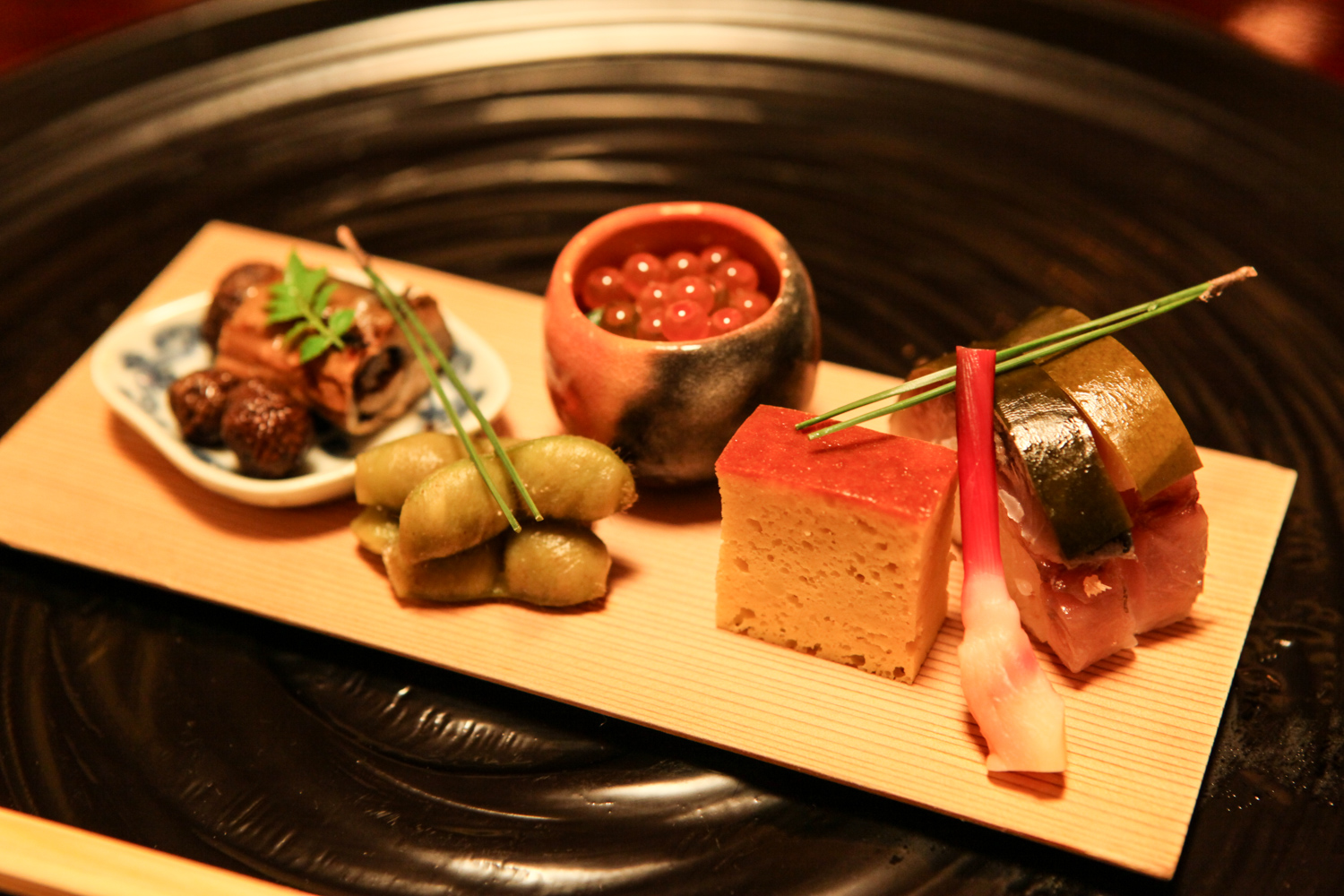
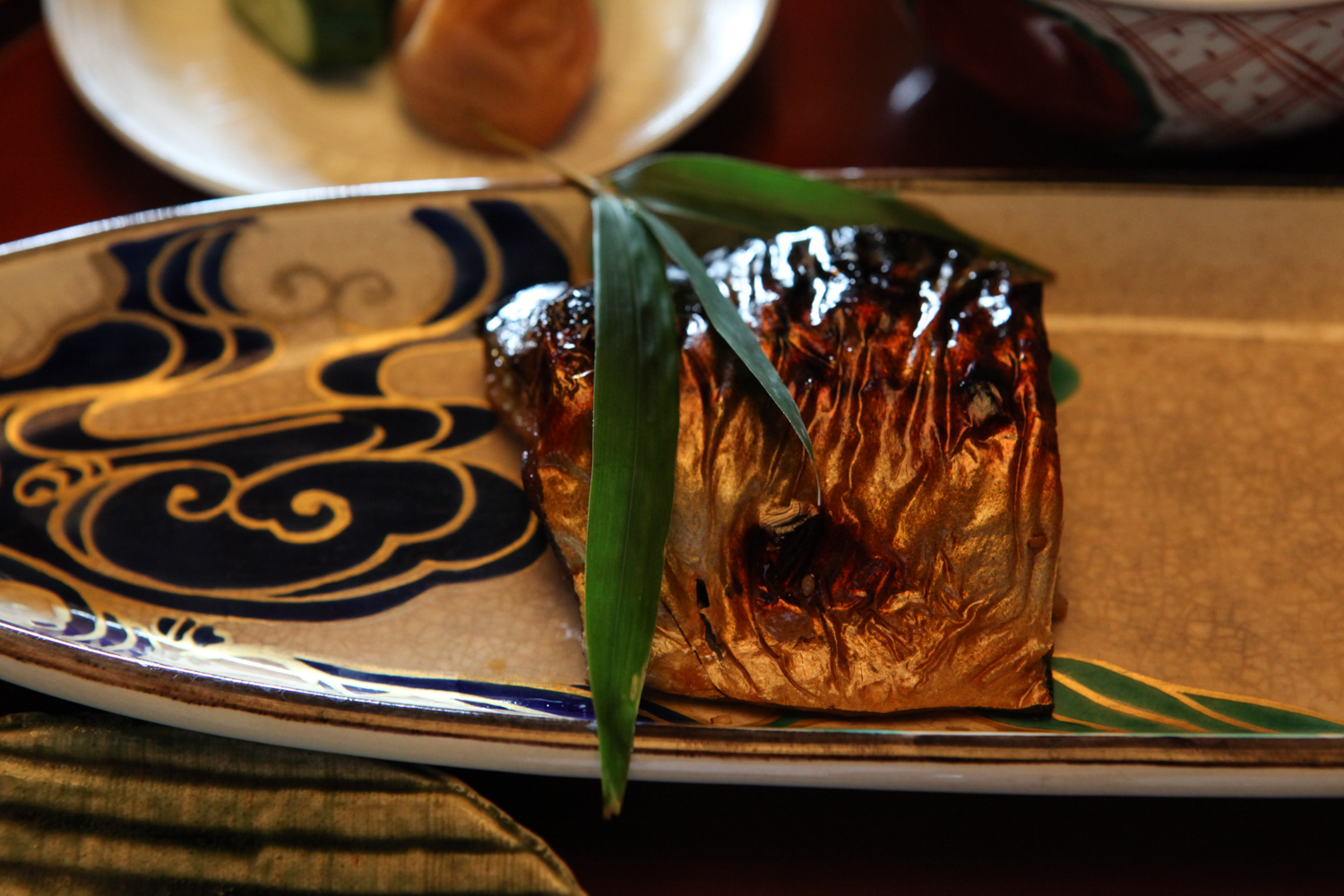
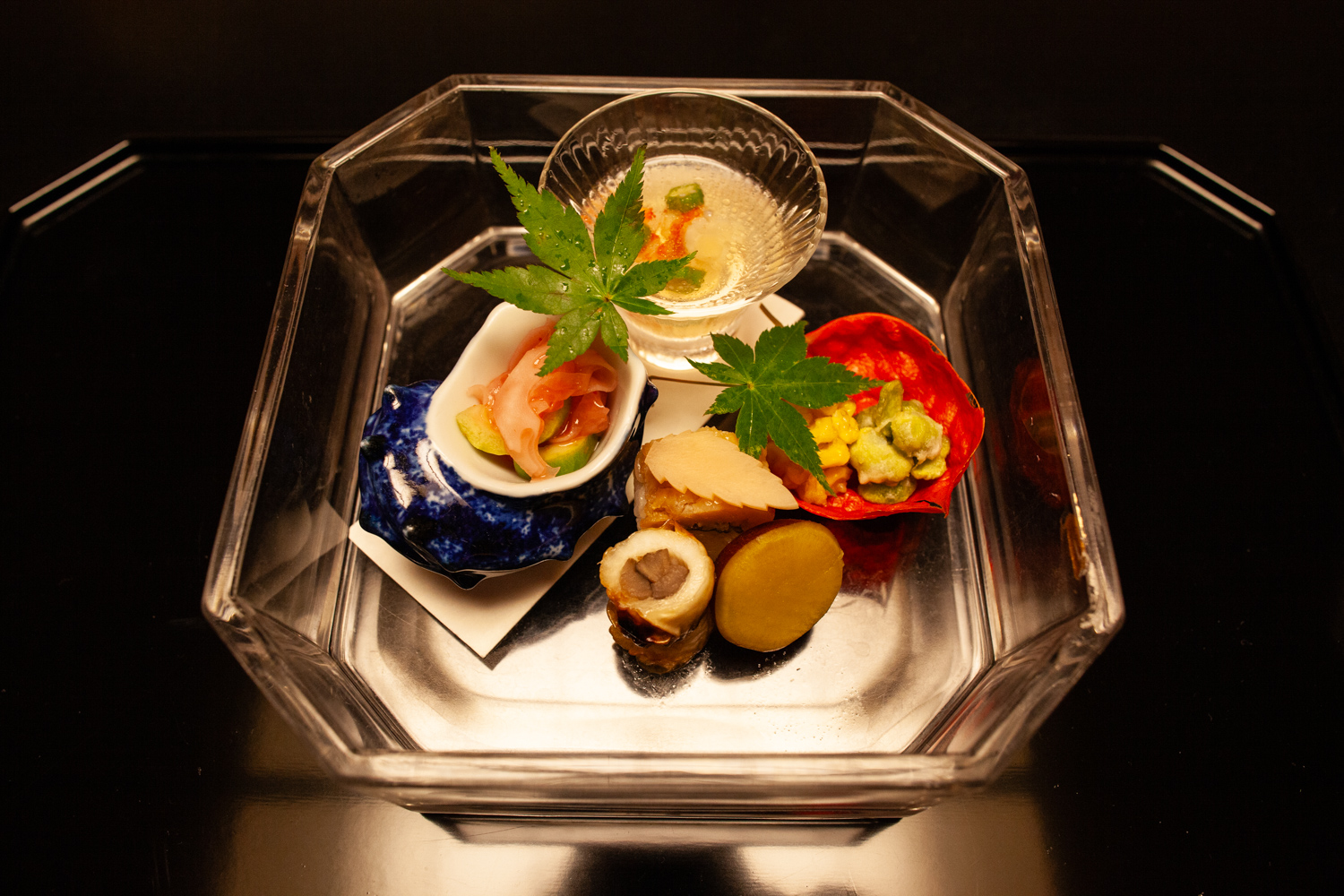
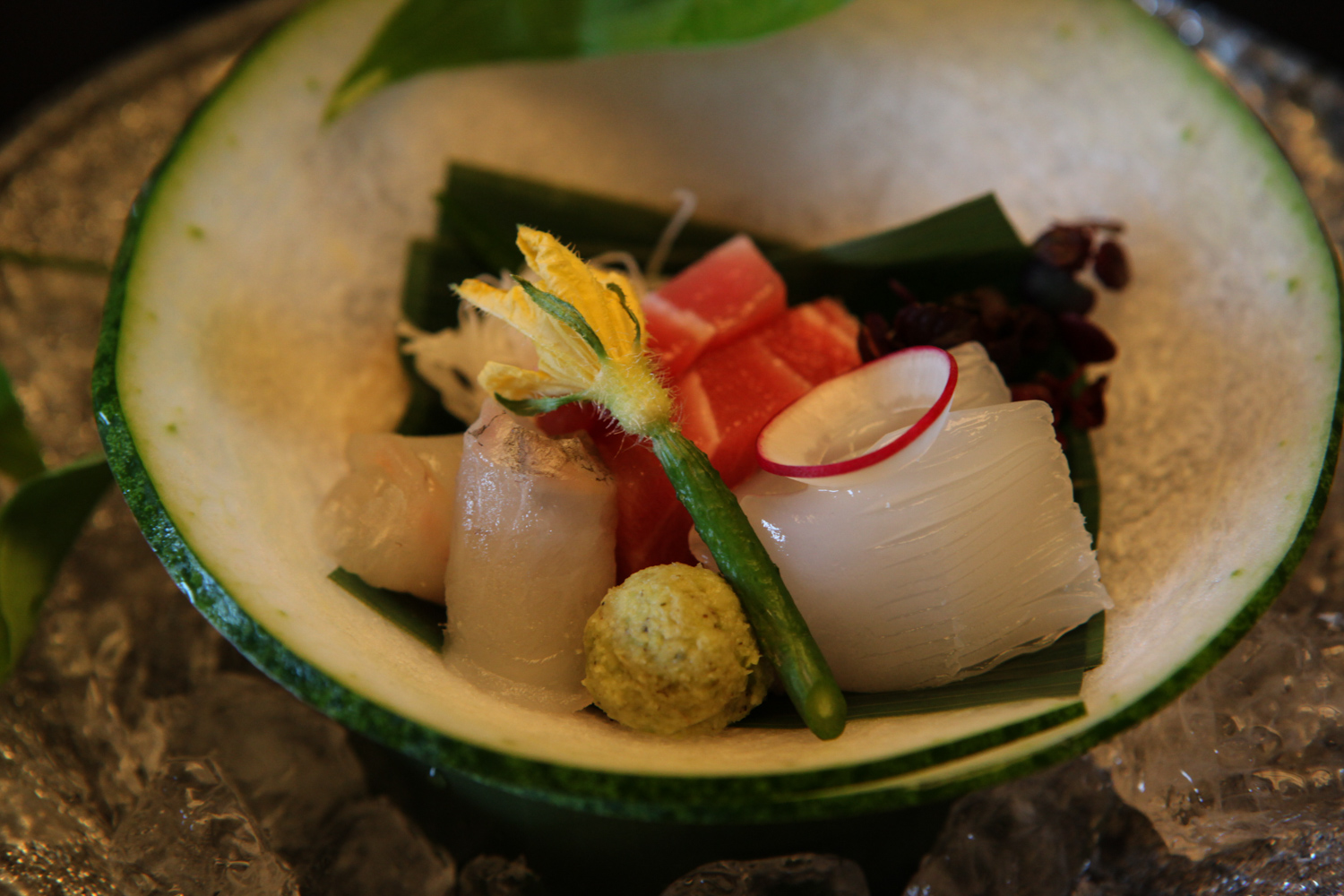
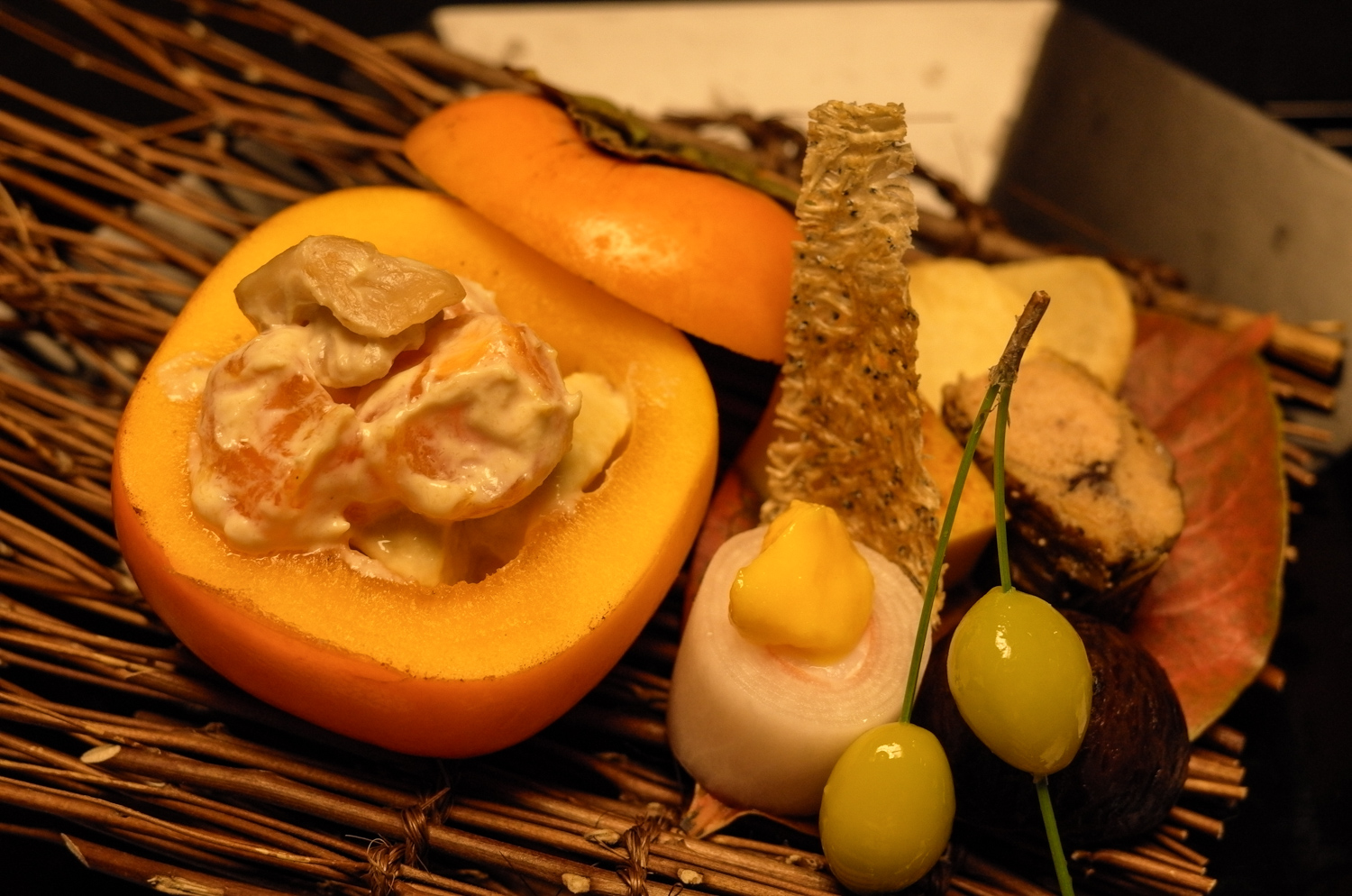
I also loved looking at food. I've always enjoyed taking pictures of food, and every time a meal was served at a ryokan (Japanese inn), I would gaze at its presentation. I don't know anything about cooking in a professional sense. Even so, when a dish was placed in front of me, I would wonder, "How did the chef decide that this balance of flavors was perfect?"
I could have added one more leaf. I could have added a little more color. But I stopped there.
I was interested in that "place to stop." Looking back now, the same thing can be said about sculpture and painting.
How far should we go with the modifications?
And where do you stop?
What does "completion" mean?
Beyond the taste of the food itself, seeing the world constructed within a single dish—including its relationship to the tableware, the negative space, the colors, the ingredients, and the sense of the season—was incredibly educational for me.
I was only given two and a half hours.
That said, my hot spring trip wasn’t exactly a luxurious affair. Back then, just as now, I was swamped with work. On top of that, I had a cat at home. So, my options were pretty much limited to Hakone. One night, two days. I couldn’t be away from home any longer than that.
The next morning, as soon as I finished breakfast, I couldn’t stop worrying about my cat. I hurriedly settled the bill, checked out by 10:00 a.m., and headed back to Yokohama. I always made sure to be home by mid-morning, and I’d breathe a sigh of relief when I saw my cat, who had been waiting patiently for me, safe and sound. That was my usual routine.
So, in reality, the time I felt most completely free at the inn was very short. From checking in at 3 p.m. until dinner started around 5:30 p.m. I think it was only about two and a half hours. But those two and a half hours were strangely intense. I was detached from work, I looked at the space, the light, the garden, I took a bath, and while it seemed like I wasn't thinking about anything, in fact I was intensely thinking about something else.
What I learned at the inn led me to BAD LAND.
Looking back now, I think the experience I had at that luxury hot spring inn had a significant impact on my work at BAD LAND afterward. At first glance, it might seem like it has nothing to do with customizing Harley-Davidson motorcycles. However, what I learned from the inn wasn't just individual techniques.
To arrange everything that people touch as a single, unified world.
I think that was it. It's not enough for just one motorcycle to be completed.
The first impression upon entering the store.
Staff service.
space.
sound.
odor.
Cleanliness.
How to explain it.
And the emotions you feel when you see the finished vehicle in front of you.
All of that becomes part of the establishment's work. At the high-end hot spring inn, this was practiced to an astonishingly high standard. I think that while I was there to soak in the hot springs, I was actually watching them work the whole time.
This time, I just want to be immersed in that moment.
In reality, hot spring inns aren't meant to be used in that way. You should forget all about work, just soak in the hot springs, eat the food, gaze at the garden, and sleep. But I haven't been able to do that yet.
So, in the near future, I'd like to completely forget about work and step back into the inn that I've stayed at so many times before. This time, I won't research anything, analyze anything, or look for flaws. I just want to surrender myself to the flow of time in that place.
I hope that day will come.