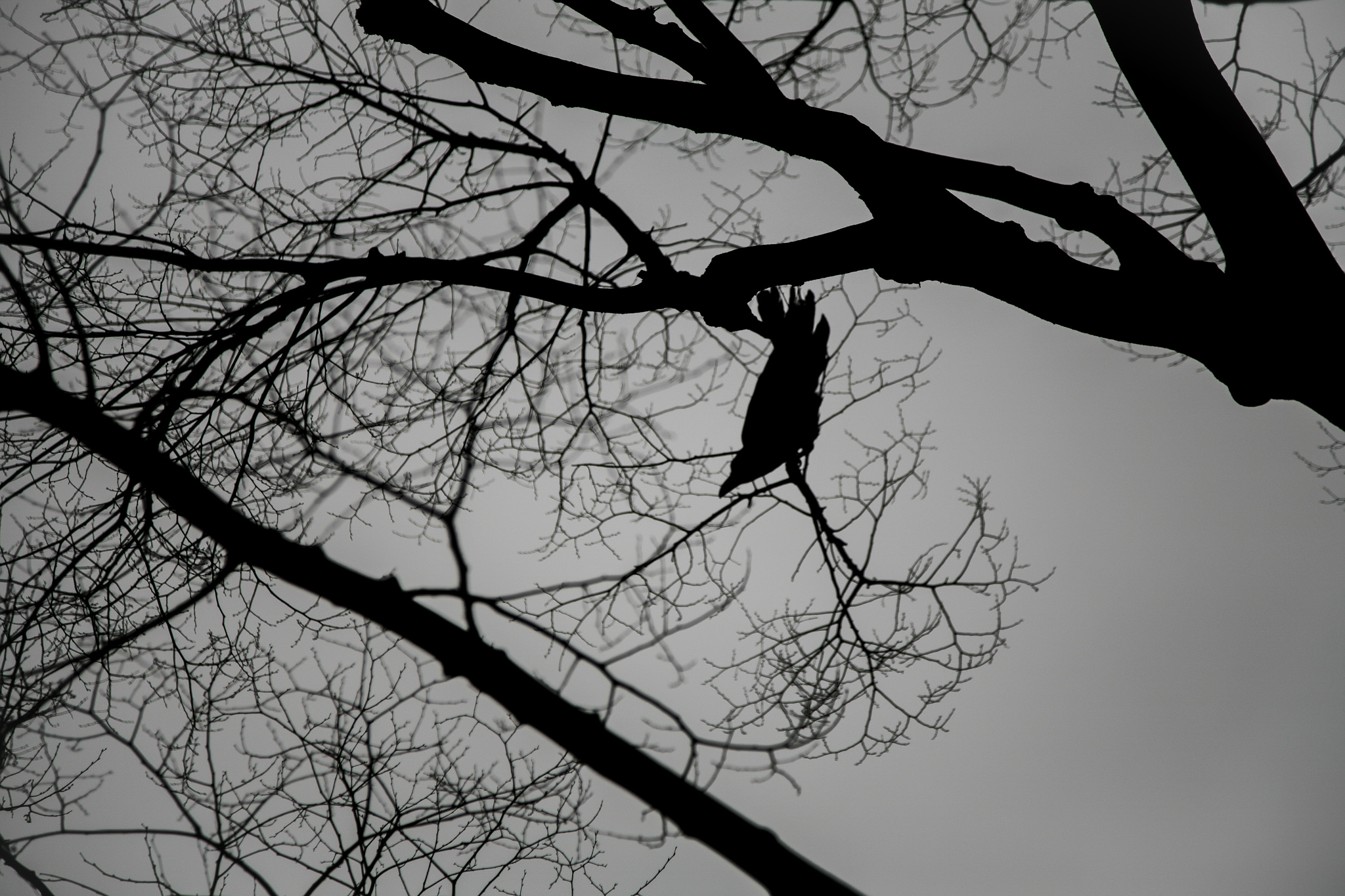
Distance from the Photo
I don’t really like taking photos.
You might think this is a strange way to start, especially since I’ve created a page about photography and this is the very first sentence. But this is the truth, and if I didn’t start here, I’d be lying. Over the past nearly thirty years, I’ve taken quite a few photos. Despite that, I’ve rarely felt a genuine love for the act of holding a camera and taking pictures. In fact, I often find it a hassle—composing the shot, waiting for the right light, and choosing the angle.And above all, the moment I become conscious of trying to “make something look more beautiful,” artificiality creeps in.
I’ve always felt a certain unease about that artificiality. Trying to capture something beautiful in an even more beautiful way. Trying to make something cool look even cooler. That might be a natural part of the medium of photography. But for me personally, somewhere in that process, I get the sense that what should have been right in front of me is being replaced by a version that suits my own convenience.That’s why I still don’t consider myself good at photography, nor have I ever thought of myself as a photographer. Even so, whenever a scene catches my eye, I find myself pointing my lens at it before I even realize it. I think that’s the nature of my relationship with photography.
Why I Started Taking Photos
What got me started in photography wasn’t art or self-expression. It was work.In 1998, I launched BAD LAND, a custom shop specializing in Harley-Davidsons. At the time, the internet was still in its infancy. Nowadays, it’s commonplace for everyone—from corporations and brands to independently owned shops—to have a website and use it to share information. But from the late 1990s through around 2000, it was by no means common for a mere Harley-Davidson custom shop to have its own website.
If I wanted to share new information from *BAD LAND*, my only option at the time was to rely on the few Harley-Davidson specialty magazines that existed in Japan. Of course, magazines were a very important medium. However, their monthly or bimonthly publication schedule was completely out of sync with the pace at which I wanted to share information.
I finished building a new custom bike.
I made some new parts.
I came up with a new idea.
I wanted to share what happened today, today.
A month from now would be too late. Two months from now would be even later.
So, in 2000, I decided to launch our company’s website. Looking back now, I think it was a pretty big decision for BAD LAND. That said, at the time, I had absolutely no knowledge of website development. In fact, those were the days when I was still struggling just to type in katakana on a Macintosh. For someone like me to try to create pages on my own, update them myself, write the text, and post photos—I think it was a pretty reckless endeavor.Even so, I believed that if we were going to continue with BAD LAND as a business, our inability to communicate our own information in our own words would eventually become a fatal weakness. So I studied. I learned how to build a website, write copy, and update pages. And throughout that process, photography was something I simply couldn’t avoid.
The camera I picked up out of necessity
Of course, a website needs more than just text. In fact, when it comes to conveying the essence of a custom Harley-Davidson, the power of photography is overwhelming.
The tank's design.
The engine's character.
The flow of the exhaust.
The texture of the metal.
The shimmer of the paint.
The overall proportions of the bike and its fine details.
These things cannot be conveyed through words alone. So, with no other choice, I picked up a digital camera. I hadn’t had any particular interest in cameras up until then. I had no experience studying photography. I didn’t know anything about exposure, aperture, or shutter speed. But we needed photographs to share what we had created with others. At first, that was all there was to it. That’s why, for me, photography began not as a form of expression, but as a “tool for communication.”
Ever since I got my Leica...
That feeling began to change in 2012. Until then, I had been using a complete set of Canon equipment. I didn’t have any particular complaints. But one day, out of the blue, a completely unfounded conviction welled up inside me that from then on, I simply had to use Leica. It wasn’t a matter of logic. It was almost a blind conviction.
In the end, I got rid of all my Canon gear and replaced every piece of camera equipment I owned with Leica. Specifically, a digital Leica M-series camera. And the very first thing that surprised me when I picked it up was that, despite being digital, the camera felt incredibly primitive. Aperture. Light. And above all, even when looking through the viewfinder, I couldn’t frame the shot at all. I didn’t even know where to set the focus.The frame I see and the image that will actually be captured don’t match up perfectly. The camera offers almost no assistance. Whatever the photographer is doing comes through directly in the final result.
I didn't realize it was that kind of camera.
So, for a while after I got my Leica—maybe close to half a year—I couldn’t take a single photo I was satisfied with. No matter what I photographed, the result was never what I had envisioned. I couldn’t capture the very things I’d been able to capture before. But I think it was precisely because of that period that I changed. Since I couldn’t rely on the camera, I had no choice but to see things for myself.I had no choice but to look, decide, and press the shutter. As I repeated that simple process for half a year, I gradually began to understand the appeal and joy of street photography—something I’d previously thought had nothing to do with me.
I walk through the city. People pass by. Light shifts. Time goes by with nothing happening, and then, suddenly, everything clicks into place. I press the shutter just for that split second. There’s no room to adjust the subject. I can’t wait for the right light or choose a different angle. In other words, there’s almost no room for the kind of artifice I’ve always struggled with. That’s why I think it suits me so well.
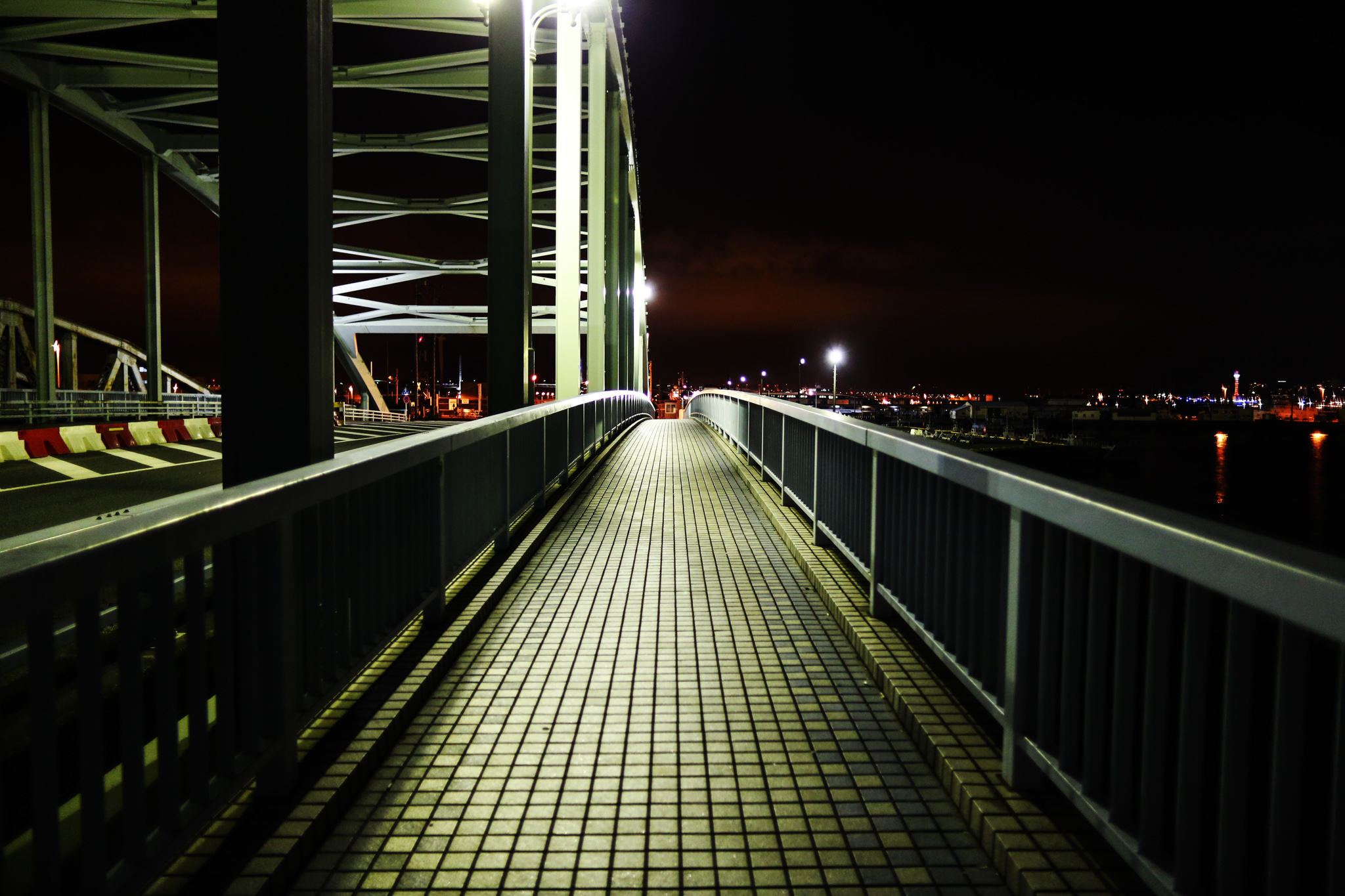
I still often find the act of taking photos to be a hassle. But the time I spend walking through the city with my Leica slung over my shoulder is undeniably enjoyable. It’s less about taking photos and more about simply walking. As I walk, something happens to catch my eye. That’s all there is to it. In any case, I’m not the type to head out with the pressure of thinking, “I’m going to take some great photos today.”I work, travel, meet people, ride my motorcycle, walk around town, and live my life. Along the way, I occasionally come across a scene that strangely sticks with me. Only then do I raise my camera.
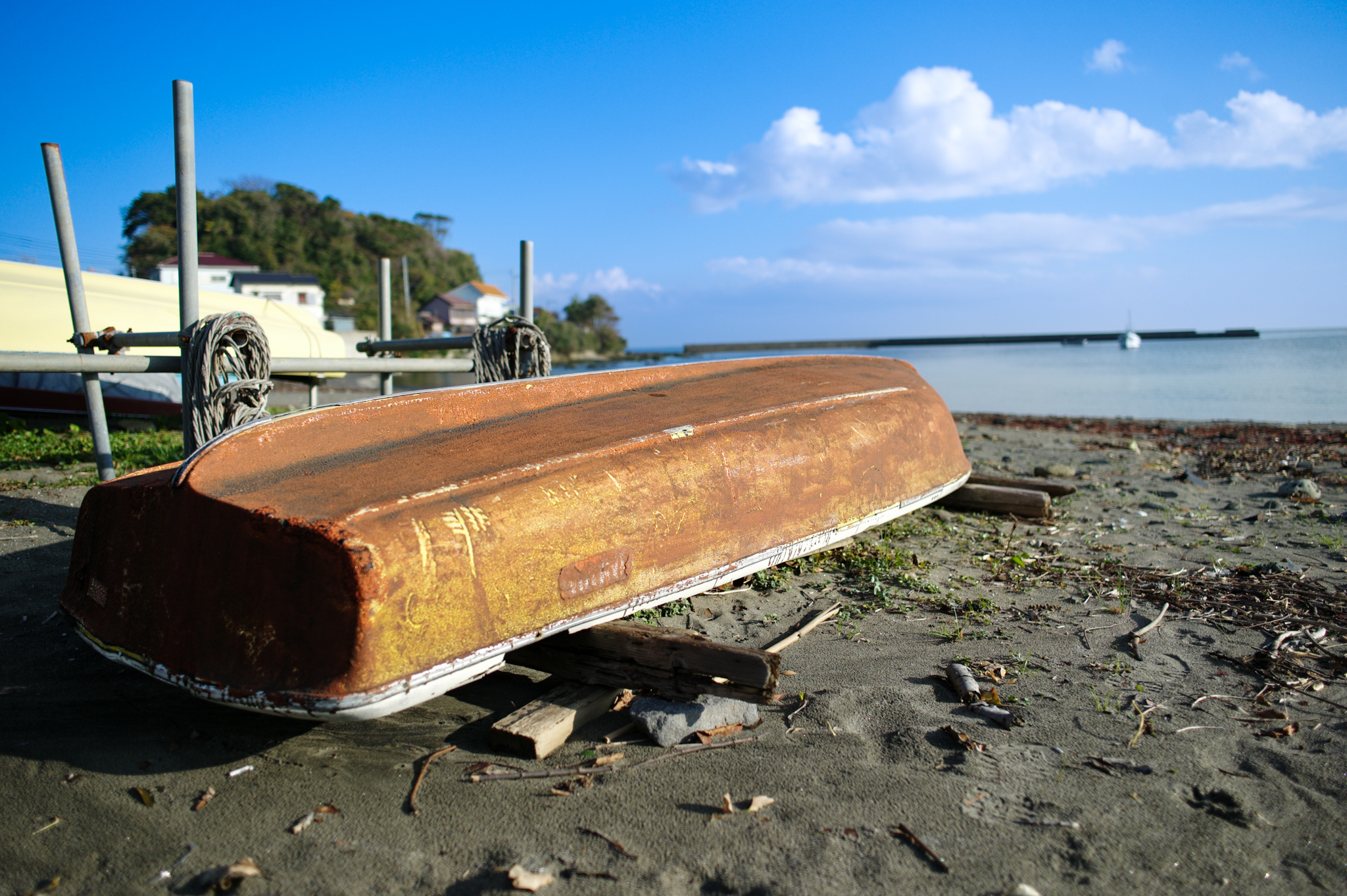
Something That Stuck With Me
It isn't necessarily beautiful. In fact, more often than not, I don't really understand at the moment why I reacted to it and pointed my camera at it.
A stain on the wall.
An old building.
A road at dusk.
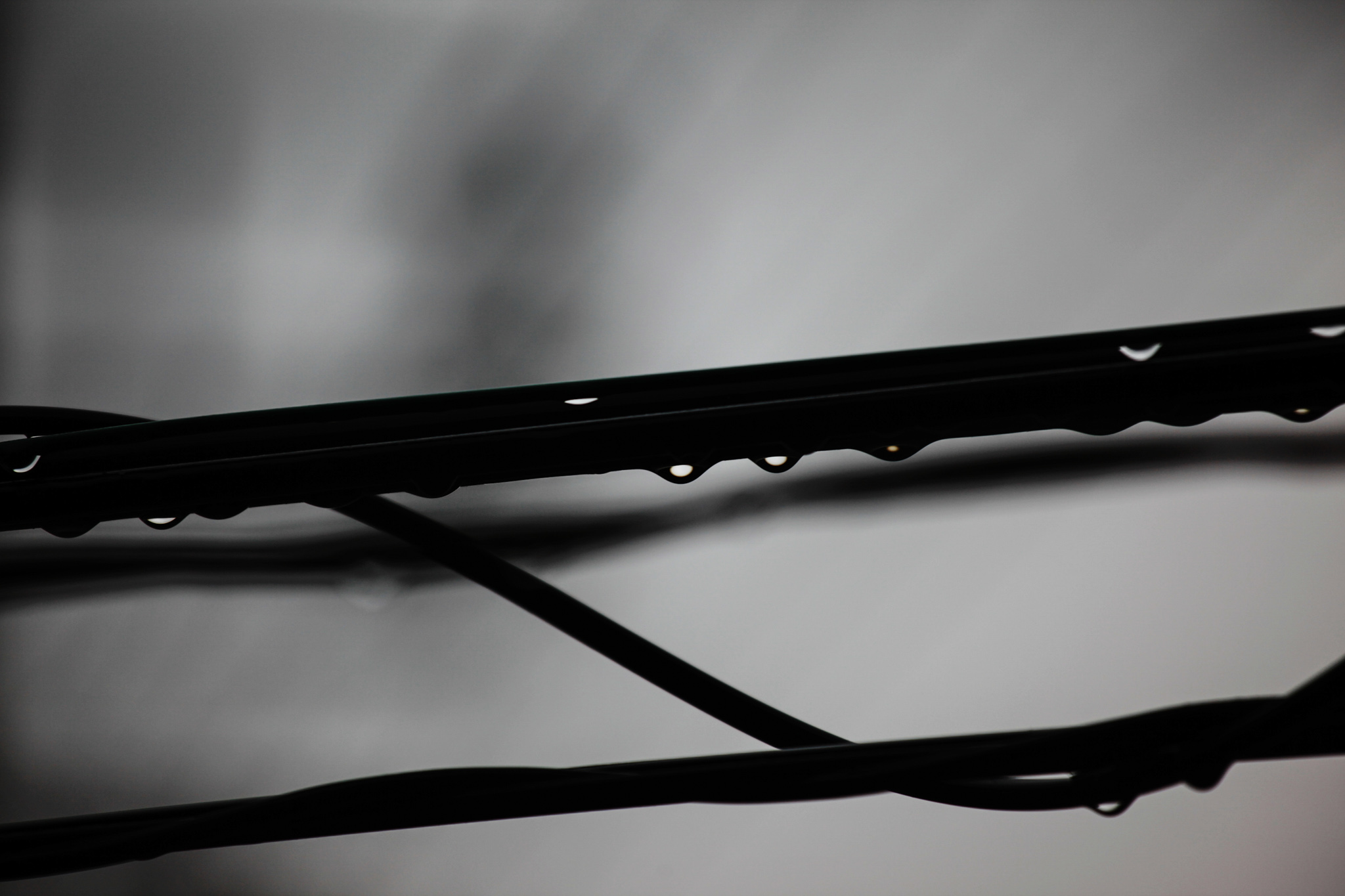
Metal wet with rain.
A window while traveling.
A deserted place.
A strange light.
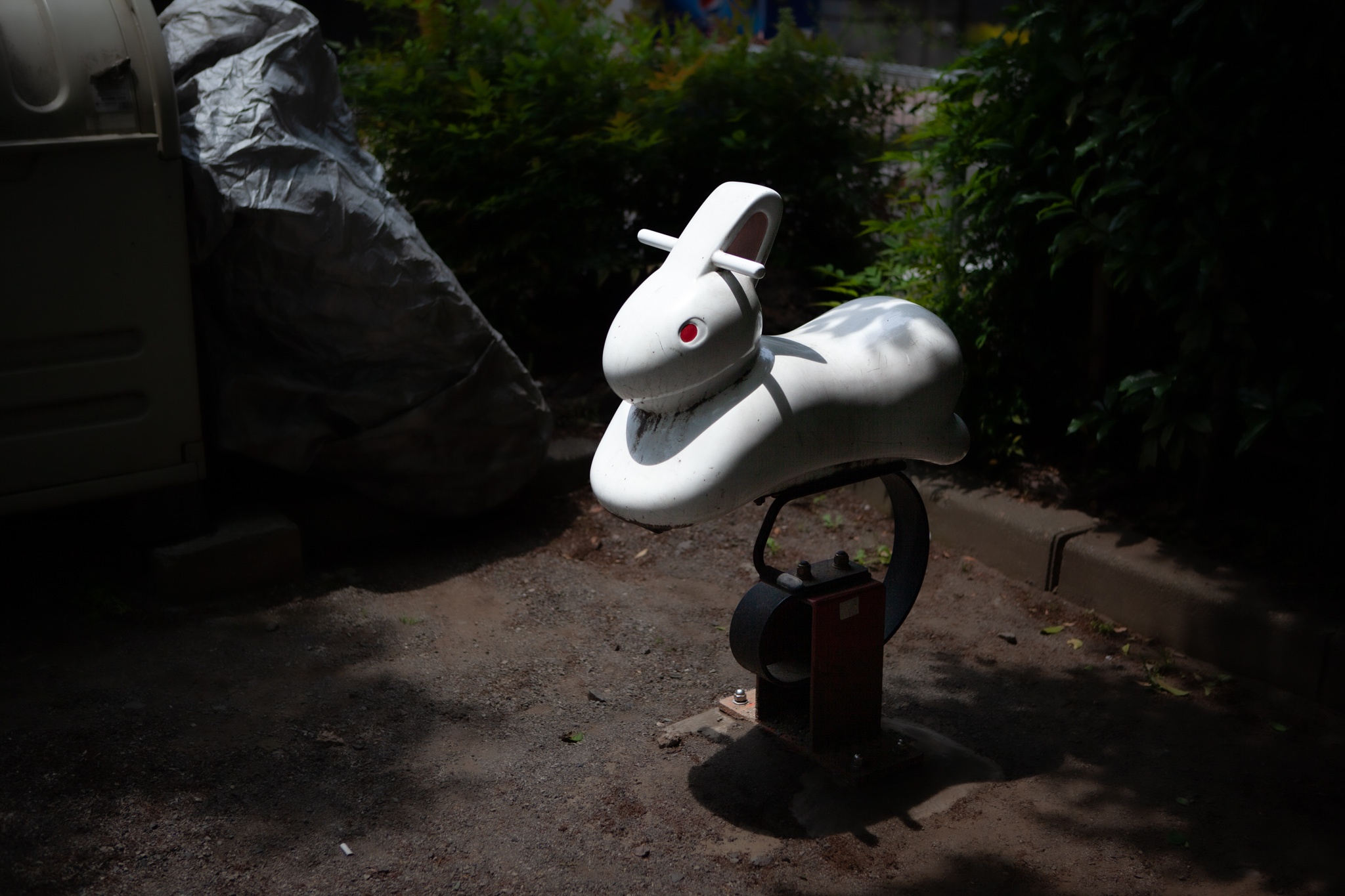
An object placed there casually.
People passing by.
Or perhaps, something I can’t even explain myself.
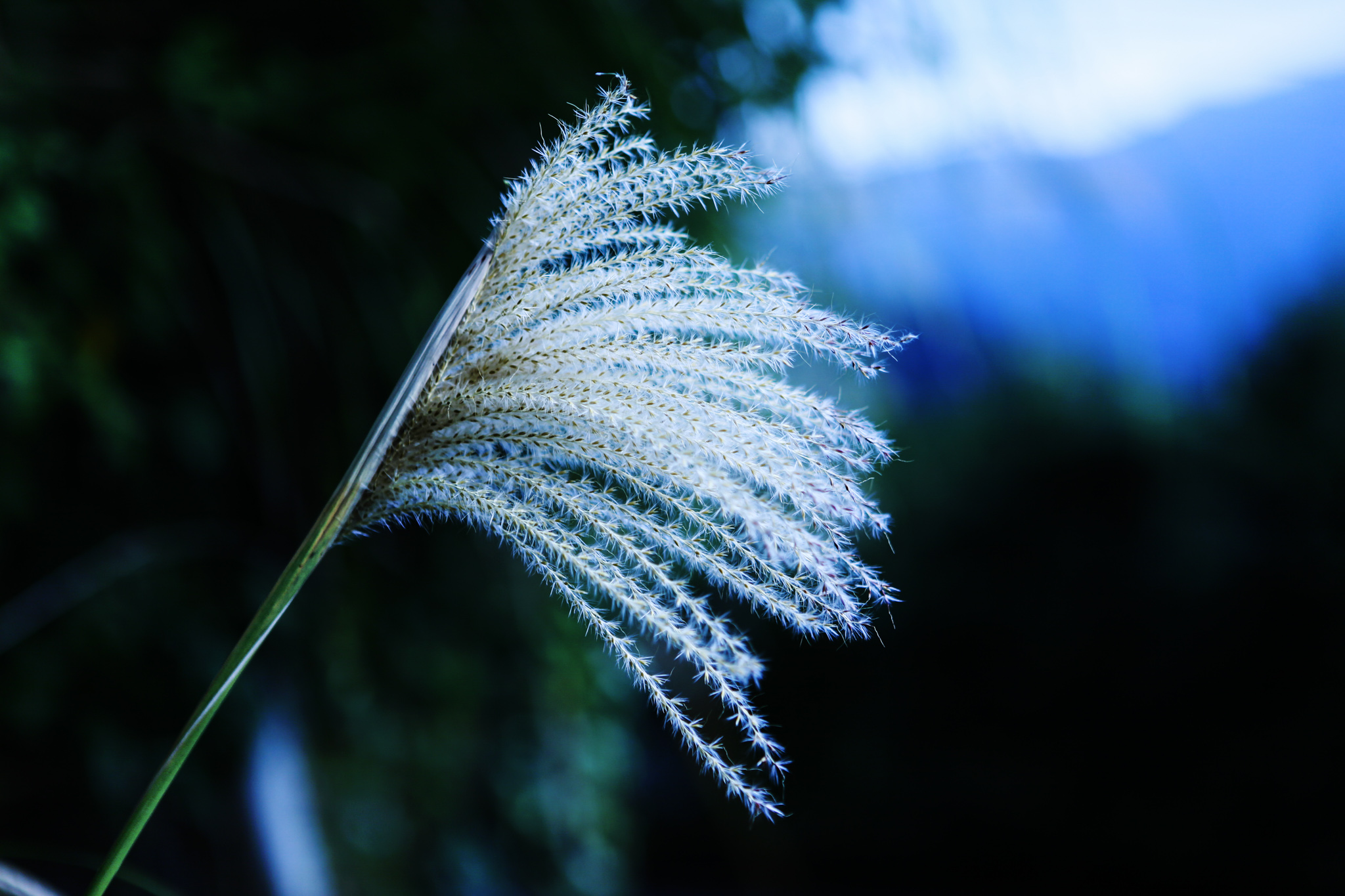
I don’t take a photo thinking, “This will make a good picture.” There’s something there. Something inside me reacts to it. That’s why I take the photo. That’s all there is to it. I suppose I’m not actually photographing the subject itself. I’m photographing whatever arises within me when I come into contact with that subject. It’s not clear enough to call it an emotion. It’s not a memory, either. Nor is it a meaning. It’s something much more ambiguous, something much harder to put into words.
The term “mental image” might be the closest description.
A mental image is the image that arises within one’s mind when looking at the outside world. Even if a photograph captures an external scene, isn’t it really a record of oneself at that very moment? I’ve come to think that way recently.
Thirty Years
While creating my own website this time, I took another look at the photos I’d accumulated over nearly thirty years. Naturally, there were countless photos I’d forgotten about. When did I take them? Where did I take them? Why did I take them? There are some I can’t remember at all. But something strange happens. As I look at them, things I didn’t notice at the time I took the photos suddenly come into focus after all this time.
At the moment I took the photo, it was just a landscape.
It was just light.
It was just a road.
It was just something that was there.
As the years go by, it begins to take on an entirely different meaning. What’s captured there isn’t the past itself. Rather, it’s the past as seen from my present perspective. The photograph itself hasn’t changed. It’s my perspective that has changed. The person I was nearly thirty years ago is different from who I am now. My experiences have changed. I’ve lost some things and gained others. I’ve met people and parted ways with them. Only time has accumulated. When I, as I am now, look at that single photograph from the past, it takes on a meaning that didn’t exist when it was taken.
It felt to me like a “letter that arrived late.”
My past self had left something behind for my present self. Of course, I didn’t press the shutter with that intention at the time. That’s precisely why it’s so mysterious. Perhaps a photograph isn’t truly complete the moment it’s taken. Ten or twenty years later, it is recreated anew by the people who view it. Time itself adds meaning to the photograph.
From Documentation to Expression
Around 2000, when I first started taking photos, I didn’t think of photography as art. They were photos to document my work at BAD LAND and to update my website. That was where it all began. But when I looked back at nearly thirty years’ worth of photos all at once, I found that there was something there that couldn’t be explained simply as a “record of my work.”
I suppose I had been unconsciously choosing only the things that caught my attention. What to photograph and what not to. What to point my lens at and what to simply pass by. When you repeat those choices for nearly thirty years, the habits of a single person’s gaze begin to emerge.
What moved me?
What did I find beautiful?
What did I find unsettling?
What made me feel lonely?
What made me feel the passage of time?
What made me stop in my tracks?
The answer is unintentionally captured in the photographs. It was only when I realized this that I decided to view the photos I had taken not merely as records, but as a form of expression.
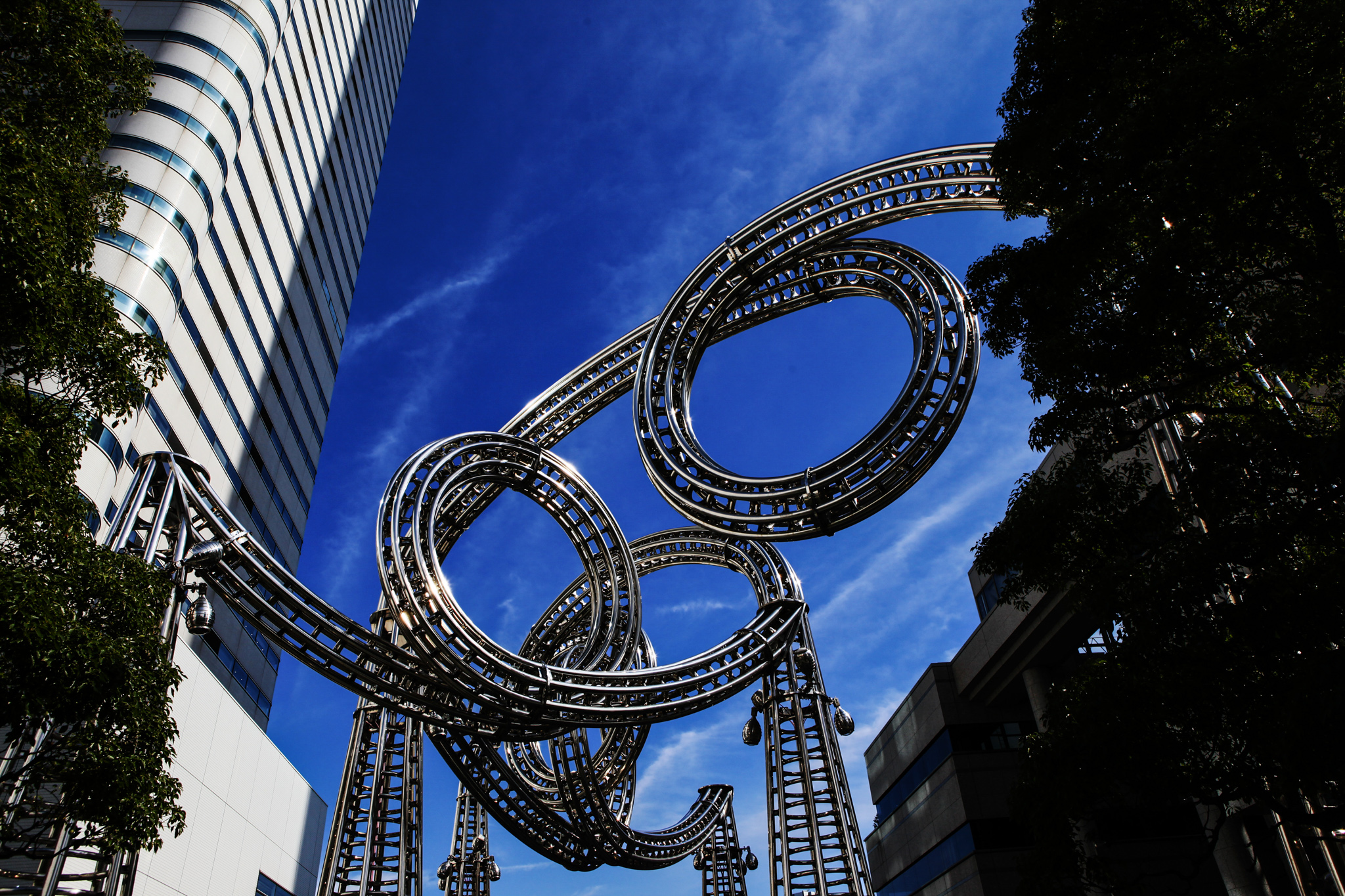
Why Are We Creating “PHOTO”?
This is why I created a section called “PHOTO” on this website.I don’t intend to call myself a photographer. Nor do I want to acquire “photographer” as a new title. Nor do I want to display the photos I’ve been taking for nearly thirty years in a way that makes them look like “artworks.” I simply wanted to see what I, as a person, have observed over the course of a long time. I wanted to properly present those fragments of my gaze to the outside world. It’s different from the works of UNDULATION. It’s different from the motorcycles of BAD LAND. It’s different from my writing. Yet it all stems from the same person.
An eye for building motorcycles.
An eye for art.
An eye for metal.
An eye for light.
An eye for people.
An eye for the city.
An eye for time.
I think the underlying principle is probably the same. That’s why, for me, this “PHOTO” is both a world distinct from my sculptural works like “UNDULATION” and, at the same time, a fragment that makes up my very being. Come to think of it, what I’m trying to do now isn’t all that different from when I launched my website in 2000. I’m putting this out with my own hands, at my own pace, without waiting for someone else’s schedule. Back then, it was for business purposes, but this time, I’m doing it for myself.
Not just to look beautiful, but...
I don’t think I’ll ever really come to love photography as a whole. I also don’t really want to stage things just for the sake of a photo. I probably won’t ever be very interested in moving objects, adjusting the lighting, or creating the perfect composition just to make things look more beautiful.
Of course, I’m not saying that such actions have no place in photography as a form of expression. This is simply the approach I take in my own relationship with photography. What I want to capture isn’t a perfected beauty. It’s something that, for reasons I can’t even explain myself, has somehow caught my attention.
I don’t take photos just because they’re beautiful.
Nor do I take them just because they have meaning.
I take them because I feel something there.
I might not know what that “something” was until twenty years from now. For now, I’m okay with that.
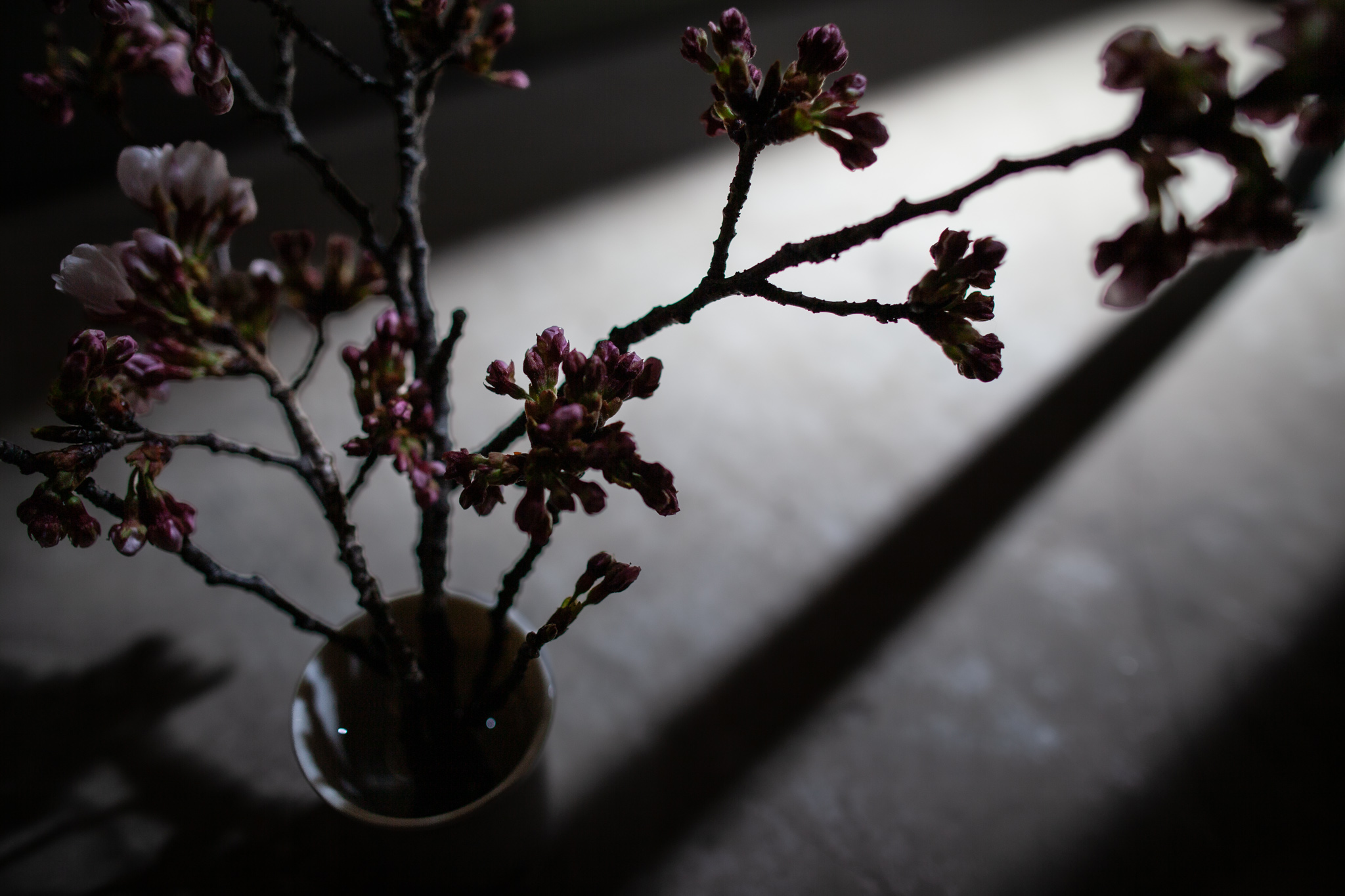
PHOTO by HANA
Here, I’ll gradually share some of the photos I’ve accumulated over nearly thirty years—the ones I now feel compelled to preserve.Some were taken as an extension of my work at BAD LAND. Some were taken while traveling. Some were taken while walking around town with my Leica. Some were taken casually in everyday life. There are even some photos where, looking back now, I can’t remember why I took them. The order doesn’t have to be chronological. The themes can be all over the place. I intend to keep explanations to a minimum. I’ll add words only when I feel the urge to do so. If I add too many explanations to the photos, that, too, becomes contrived.
But looking back, there is one thing they all have in common: my gaze at that very moment. People say that photographs preserve the past. But I think it’s a little different. What photographs preserve is not the past itself. Isn’t it rather the trace left when, in a single instant, the world and I intersected?
And as time passes, those traces take on new meanings. Things that were once invisible now become visible. A photograph that evokes no emotion today might suddenly begin to tell a story ten years from now. When you think about it that way, photography is a mysterious thing. While it freezes time at the moment the shutter is released, it cannot freeze the meaning itself. Rather, that meaning continues to change with the passage of time.
That’s why I’ve decided to leave my photos here. It’s not so much that I want to show the world as I’ve seen it. Rather, I want to leave behind fragments of time that have passed through me. Someday, they might intersect with someone else’s time. Or perhaps they’ll speak to my future self once again.
I don’t really like taking photos. The moment I try to make something look more beautiful, it feels contrived. Still, whenever a scene catches my eye, I find myself pointing my lens at it before I even realize it. Looking back at thirty years’ worth of photos, moments I didn’t notice at the time come to life, like letters that arrived late.
"PHOTO by HANA" is a collection of my inner visions and fragments of time.